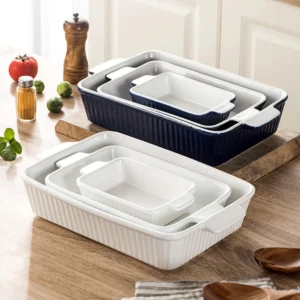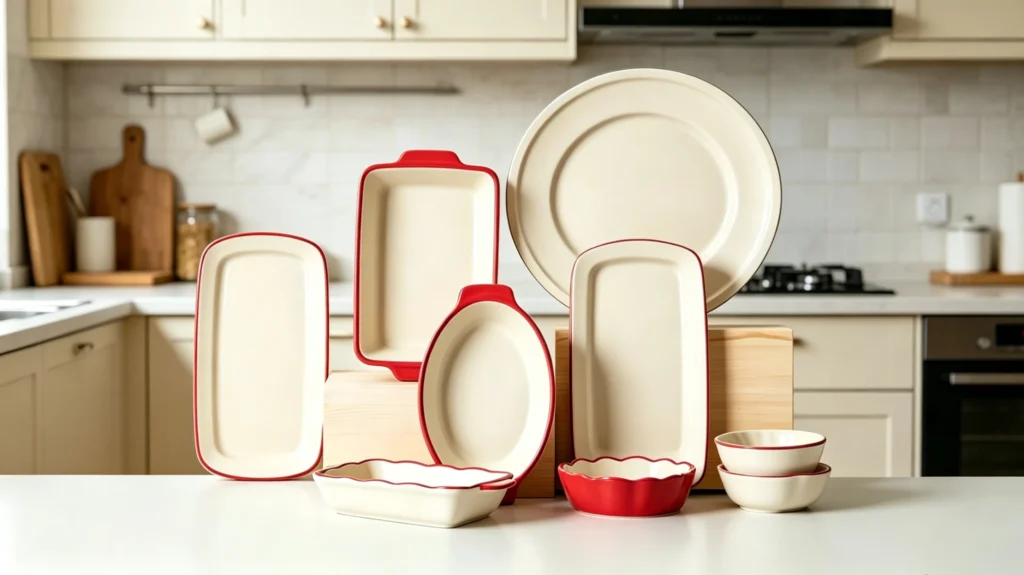
Ceramic baking dishes continue to gain popularity in the global baking and culinary markets, thanks to their aesthetic appeal, exceptional heat retention, and the “table-ready” elegance they bring to the dining experience. However, as a professional buyer, you undoubtedly know that not all ceramic baking dishes are created equal. Dishes made from substandard materials may crack when placed in the oven or fade after running through the dishwasher—ultimately leading to customer complaints and damage to your brand’s reputation.
So, from a professional standpoint, how do you select a truly high-quality and commercially viable ceramic baking dish? Based on 30 years of manufacturing and shipping experience, Chaozhou Mingyang Ceramics Co., Ltd. has compiled the following insights: here are six core decision points you must prioritize when selecting products and evaluating potential suppliers.
I. Consider the Material of the Ceramic Baking Dish: High-Fired Porcelain vs. Low-Fired Porcelain vs. Stoneware
This constitutes the most fundamental distinction—one that directly determines the safety and durability of a baking dish.
**Stoneware (Recommended)**:
Fired at temperatures ranging from approximately 1200°C to 1280°C, this material falls between earthenware and true porcelain. It features a high-strength body, a substantial, weighty feel, and low water absorption. It is ideally suited for creating baking dishes with vintage hues, matte finishes (a style perfectly aligned with recent design trends), or rich, vibrant colors that balance both artistic craftsmanship and practical utility; moreover, it is highly heat-resistant and durable. Stoneware is the material of choice for most Nordic-style baking dishes, offering strong aesthetic appeal and high functionality. It can withstand rapid thermal shock (sudden changes in temperature) and is safe for use in ovens, microwaves, and dishwashers. It currently stands as the most widely adopted option on the market.
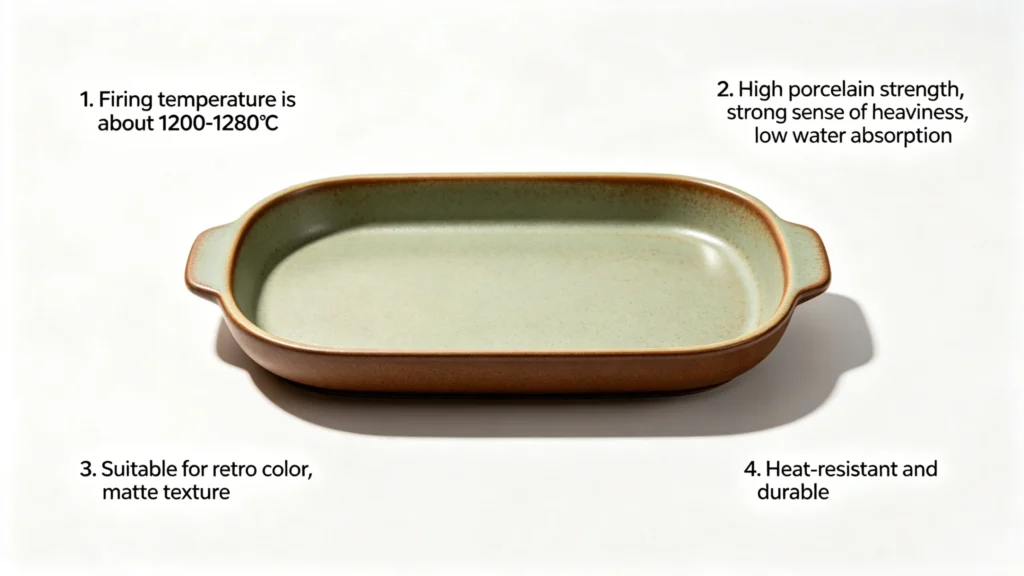
Stoneware baking pans
**High-Temperature White Porcelain (Standard)**:
Fired at temperatures exceeding 1280°C, the clay body undergoes complete vitrification, resulting in a dense, compact texture. When tapped, it produces a crisp, clear ringing sound. The porcelain clay is pure white and fine-grained, making it ideal for crafting baking dishes with white or light-colored glossy glazes.
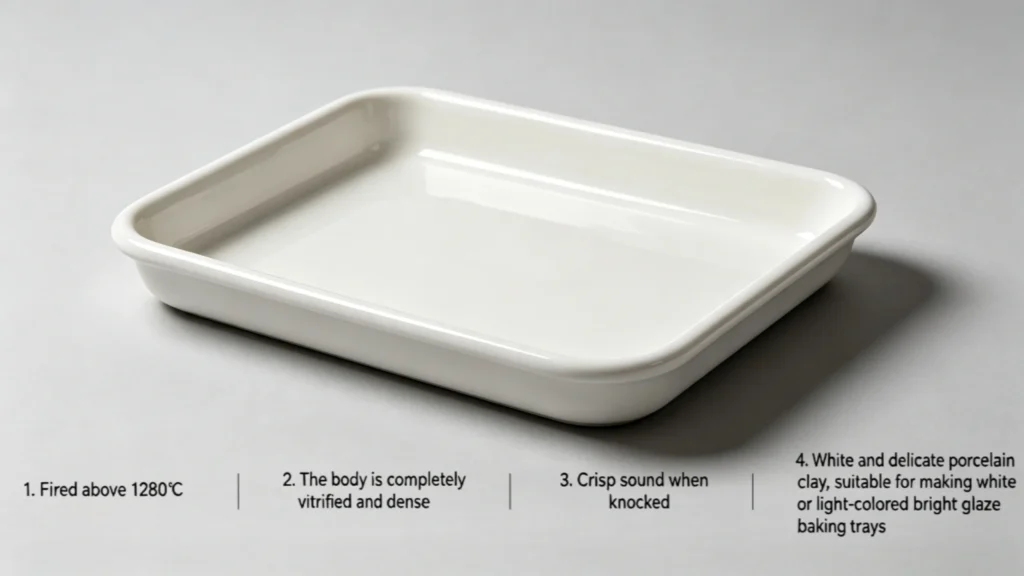
White porcelain baking pans
**Low-Temperature Earthenware or Inferior Porcelain (Not Recommended)**:
Fired at low temperatures, this material exhibits high water absorption, making it prone to absorbing food odors and stains. When heated in an oven, moisture trapped within the clay body expands; this expansion frequently leads to cracking and breakage, making it a primary source of post-purchase complaints and warranty claims.
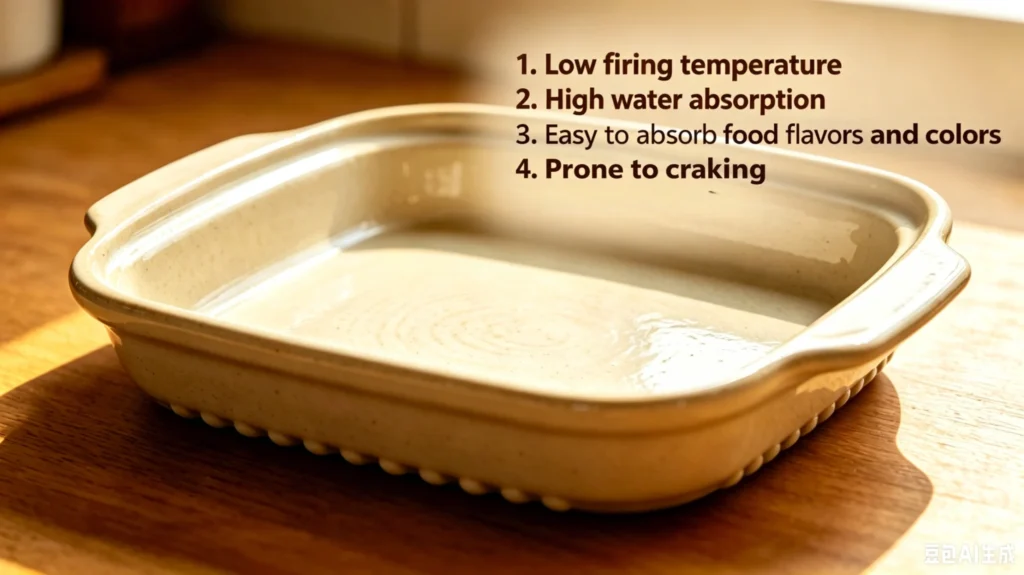
Earthware baking pans
**Purchasing Advice**:
It is imperative to request test data regarding “water absorption” and “thermal shock resistance” from your supplier. A high-quality ceramic baking dish should have a water absorption rate of less than 5% and must successfully pass a thermal shock test involving a temperature differential of 200°C.
II. Assessing the Form of Ceramic Baking Dishes: Balancing Functionality and Stackability
A well-designed baking dish must be more than just aesthetically pleasing; it must also be practical to use, easy to sell, and efficient to transport.
Handle Design: Large, easy-to-grip “ear-style” handles are a distinct advantage. Handles featuring a slight upward curve make it easier—and safer—to retrieve the dish from the oven. Be sure to inspect the connection points between the handles and the body of the dish to ensure they are sufficiently sturdy.
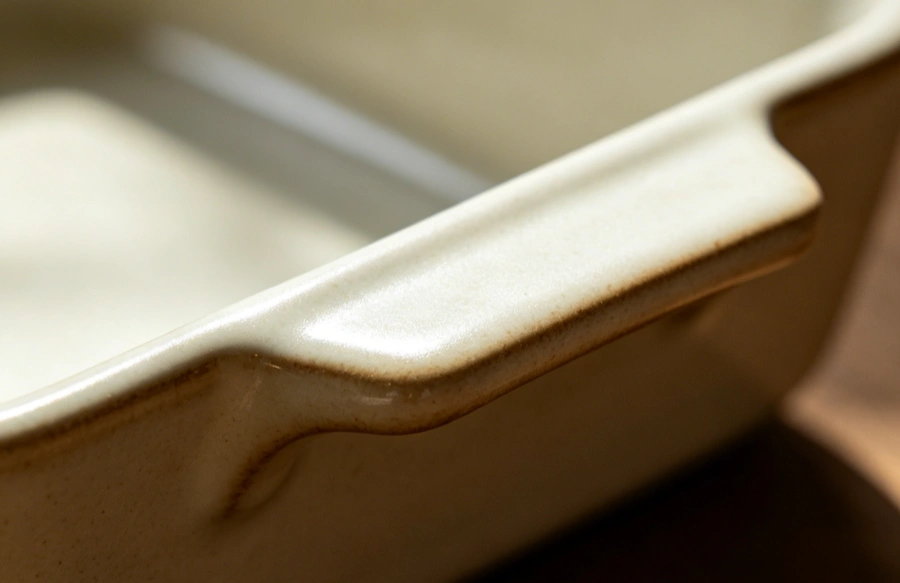
Depth and Capacity: Deeper dishes are ideal for baked rice dishes, lasagna, and stews, while shallower dishes are better suited for pizzas, cookies, and brownies. Offering a product line that includes a full range of both deep and shallow sizes provides end consumers with a more comprehensive selection.
Base Design: A flat base ensures the most uniform heat distribution. A slightly concave base helps to collect and retain juices or sauces.
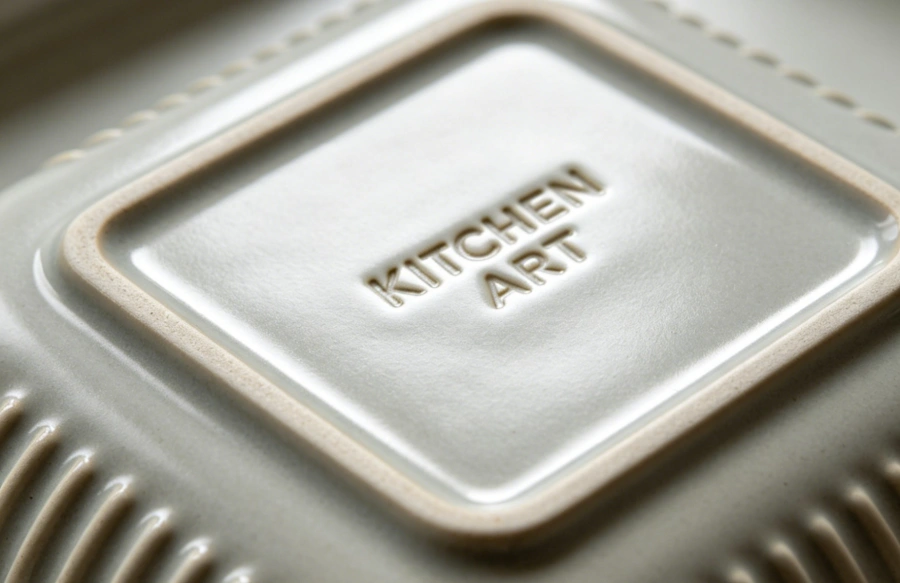
Stackability: This is a critical factor influencing both packaging costs and warehousing efficiency. Designing baking dishes of different sizes within the same product series to be nestable—allowing them to stack inside one another—can significantly reduce your logistics and storage expenses.
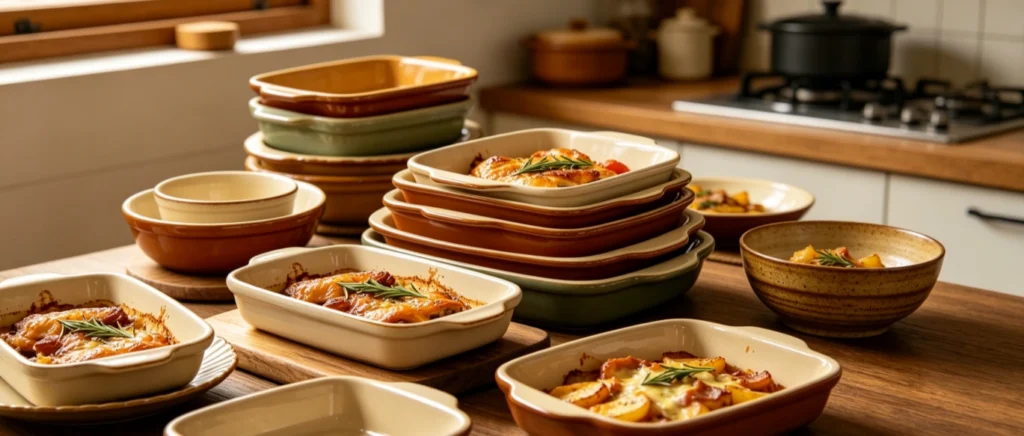
III. Examining the Glaze and Decoration of Ceramic Baking Dishes: A Dual Test of Aesthetics and Durability
The glaze and decorative elements constitute the “visual appeal” of a baking dish, serving as a direct reflection of the manufacturer’s craftsmanship.
Glaze Quality: A high-quality glaze should be as smooth as a mirror (or, in the case of matte finishes, fine and uniform), free from pinholes, “orange peel” textures, or glaze run marks. When holding the baking dish up to the light, look for a reflection that appears uniform and even; this indicates superior quality. Factories specializing in daily-use ceramics in Chaozhou are particularly adept at achieving this level of perfection.
Color Fastness: It is essential to verify that the colored glaze or decals are resistant to high temperatures and dishwasher cycles. Inferior decals will fade or peel after just a few rounds of high-temperature baking or dishwasher washing. We recommend requiring the factory to provide test reports demonstrating compliance with dishwasher durability standards.
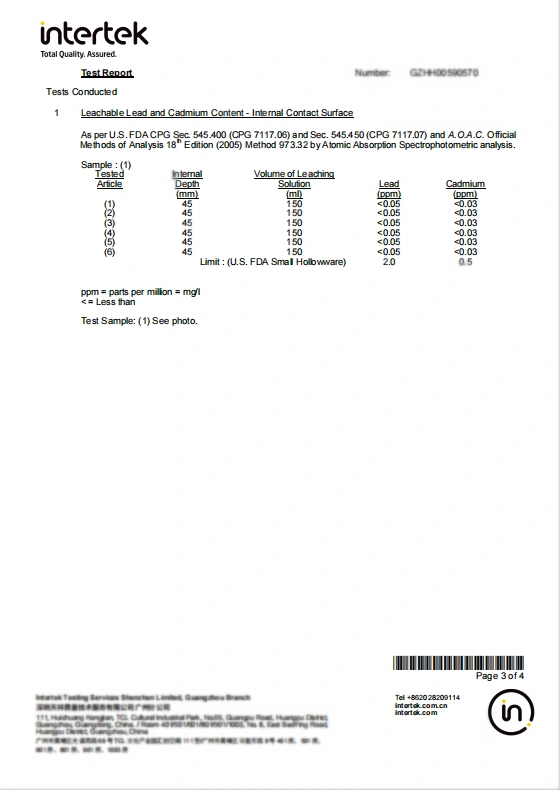
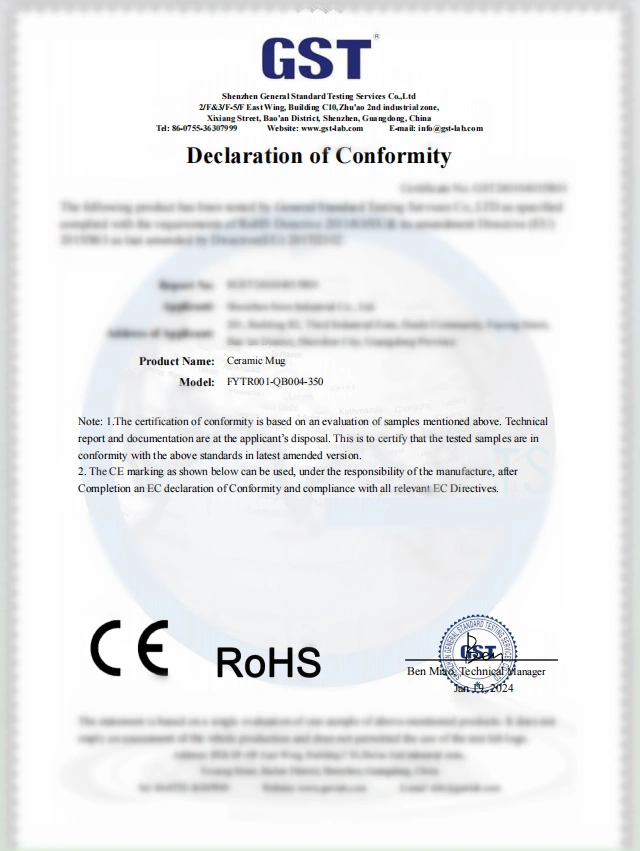
Safety Standards: As a product intended for food contact, the lead and cadmium release levels of both the glaze and decals must strictly adhere to the safety regulations of the intended export market (e.g., the US FDA or the EU LFGB). This constitutes an absolute “red line” that cannot be compromised—a fundamental principle that Mingyang Ceramics has consistently upheld.
IV. Observing Design Trends in Ceramic Baking Dishes: What Consumers Are Paying For
Your purchasing strategy should be directly aligned with the preferences and desires of your end users.
Minimalist Solid Colors: Matte shades of black, white, and gray—as well as cream tones and the Morandi color palette—remain perennially popular and are easy to coordinate with a wide variety of kitchen styles.
Retro, Handcrafted Aesthetics: Designs featuring handmade textures, natural speckled glazes, or irregular edges convey a warm, unique, and artisanal quality.
Multifunctional Design: Ceramic baking dishes that are safe for direct use over an open flame—or sets that include a wooden trivet for elegant table presentation—serve as powerful selling points.
Eco-Friendly Packaging: End consumers are becoming increasingly averse to plastic packaging. Choosing suppliers capable of providing fully paper-based or biodegradable eco-friendly packaging can significantly boost your brand’s appeal and favorability.
V. Scrutinizing the Details of Ceramic Baking Dishes: Where Things Most Often Go Wrong
The difference between a professional buyer and an ordinary consumer lies in their attention to detail.
Base Ring (Foot): The base ring must be either glazed or finely polished to a smooth finish. An untreated, rough base will scratch countertops and dining tables—a frequent source of customer complaints.
Cleanliness & Aesthetics: For baking dishes with solid-colored interiors, the color should appear natural and soft. After a period of use, the surface should resist staining from substances like tea or curry. The Chaozhou production region holds a natural advantage in this regard, producing porcelain that is inherently clean and easy to wash.
Weight & Feel: Heavier isn’t always better. Home users typically prefer lighter, easy-to-handle items, whereas professional chefs in restaurants might favor heavier, professional-grade models that excel at heat retention. Your choice should be tailored to the specific needs and preferences of your target audience.
VI. Evaluating Suppliers: Finding a Partner for Long-Term Collaboration
Ultimately, product selection comes down to selecting the right people and the right factory.
Prototyping Capability: Can they accurately reproduce your design? Can they offer professional advice regarding color matching and adjustments to the product’s shape or form?
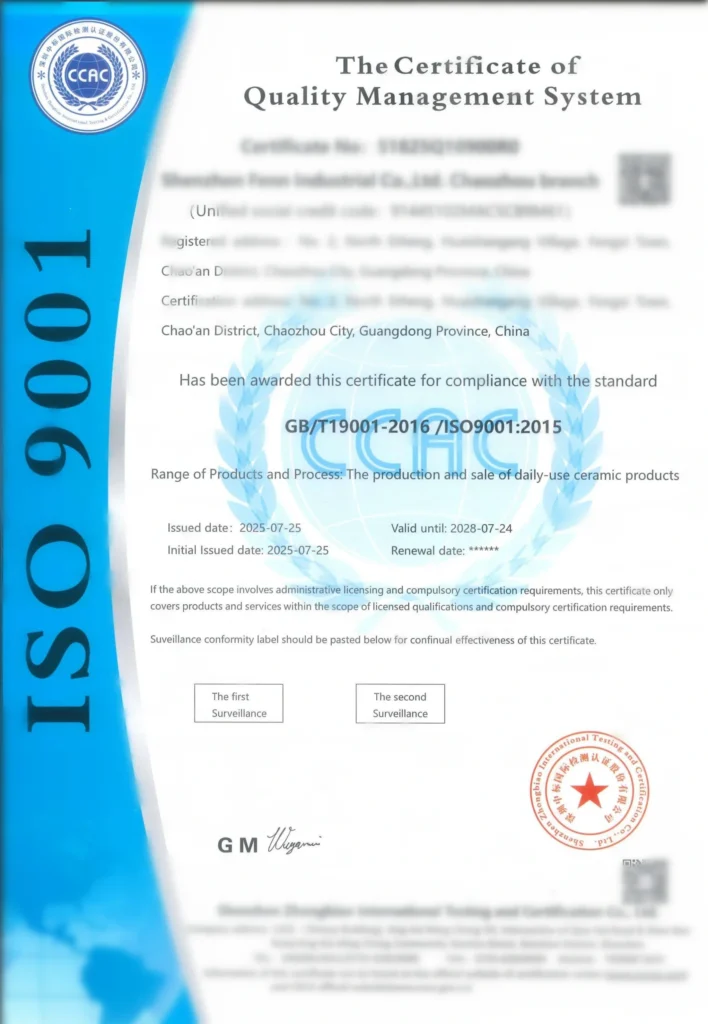
Quality Control System: Do they have a formal system for archiving pre-production samples? Do they adhere to established standards for random inspections? Are they willing to cooperate with third-party quality inspections?
Communication & Responsiveness: A supplier who responds promptly, proactively provides progress updates, and offers early warnings when issues arise is worth their weight in gold.
Export Experience: Familiarity with the customs clearance requirements, documentation protocols, and safety standards of your target market can save you from a multitude of unforeseen complications.
We would like to take this opportunity to introduce ourselves: Mingyang Ceramics. As a direct-source factory for daily-use ceramics based in Chaozhou, we offer a comprehensive, one-stop service—from prototyping and production to quality inspection and export logistics. With 30 years of accumulated operational experience, we possess a proven track record of successful export partnerships. As a direct manufacturer deeply rooted in the Chaozhou ceramics industrial hub for over three decades, we are not only intimately familiar with every technical detail mentioned above, but we are also eager to assist you in mitigating risks during the product development phase—helping you create high-quality, durable, and safe baking dishes that truly meet market demands.
Are you currently looking for a reliable supplier of ceramic baking dishes?
We invite you to contact us to share your specific requirements or product direction. We will be happy to provide you with expert advice on materials, cost-optimization strategies, and a complimentary price quote.
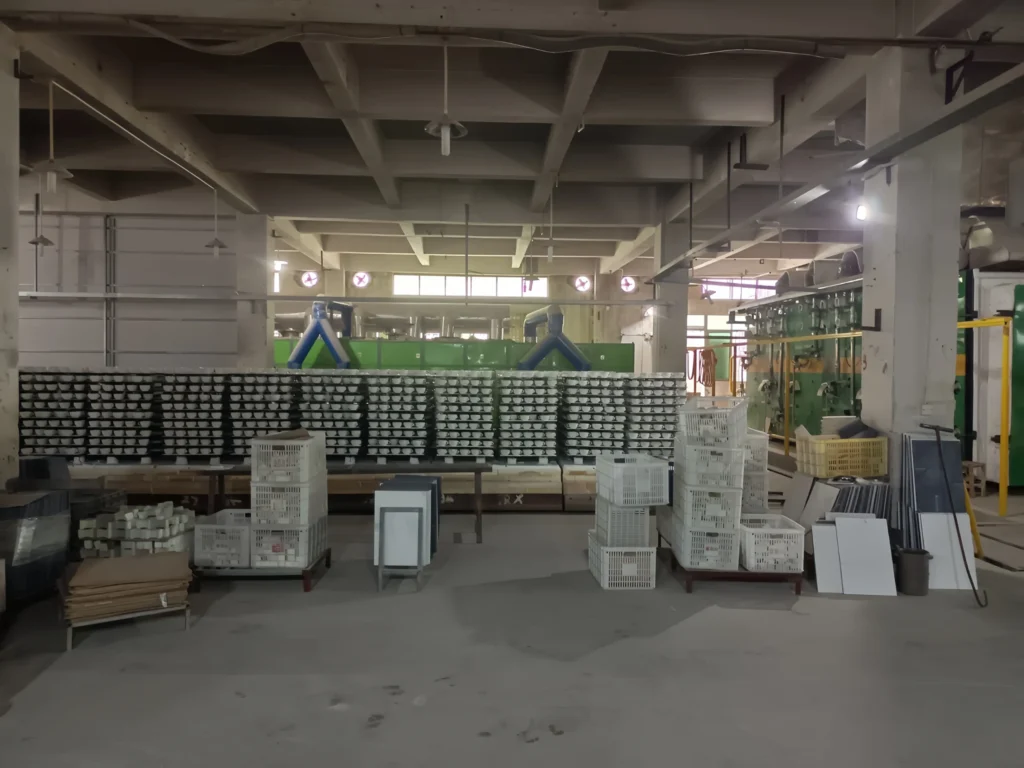
Myoung Ceramics Factory production and manufacturing
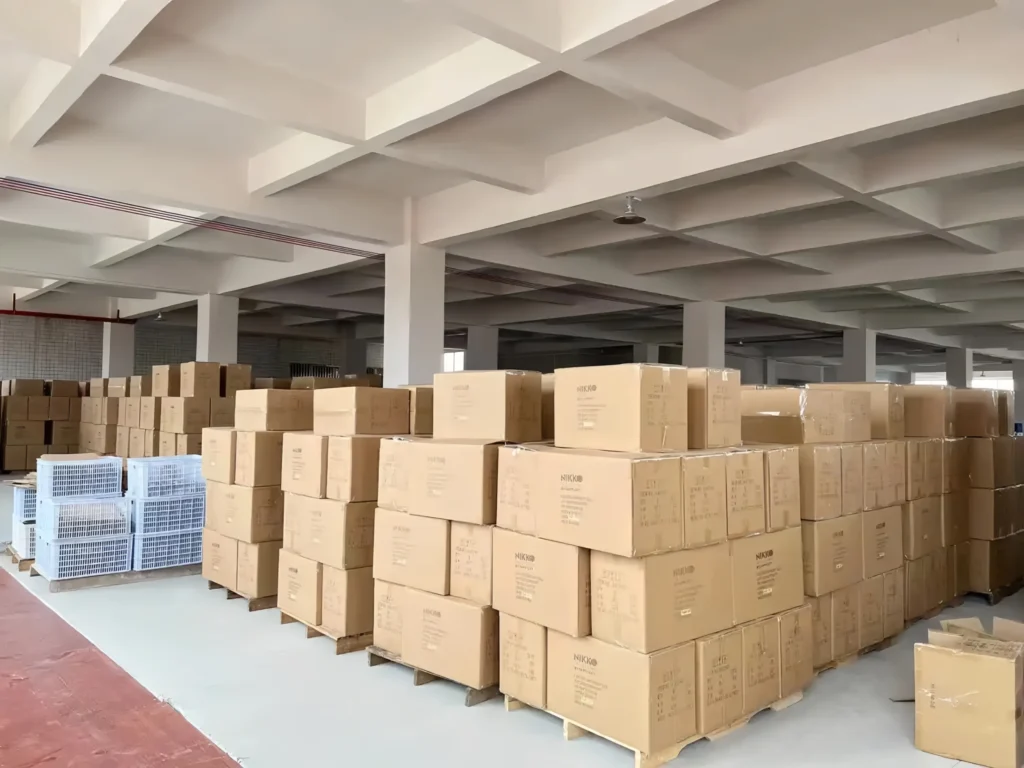
Myoung' spackaging workshop
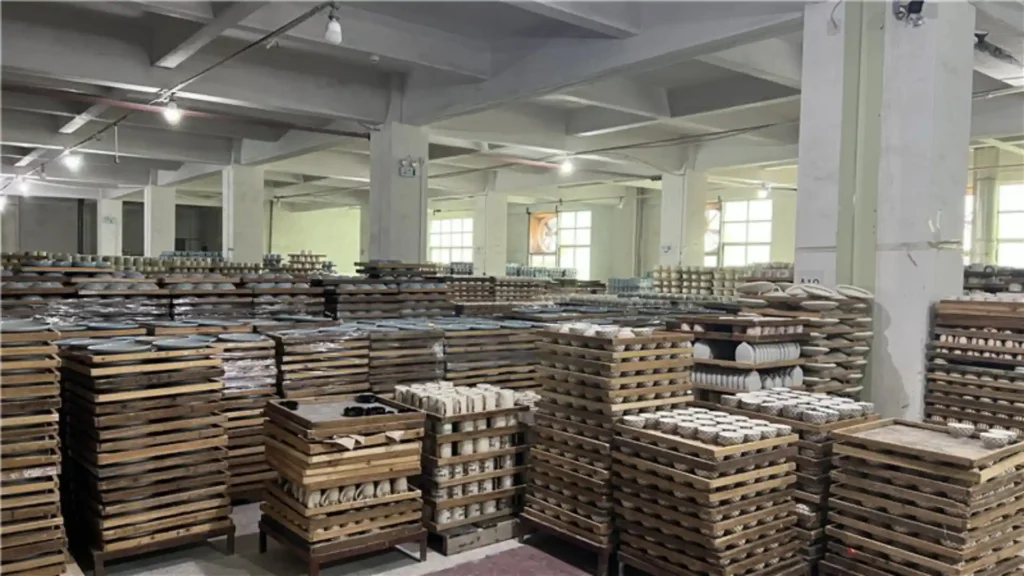
Myoung's ceramic warehouse
This article is part of our ongoing series on ceramic dinnerware sourcing. For more insights, check out our:
1.[Ultimate Guide to Sourcing Durable Ceramic Dinnerware Wholesale]
2[.How to Choose a Wholesale Ceramic Dinnerware Manufacturer in Chaozhou]